
What Is a Wood-Fired BBQ and Is It Worth It?
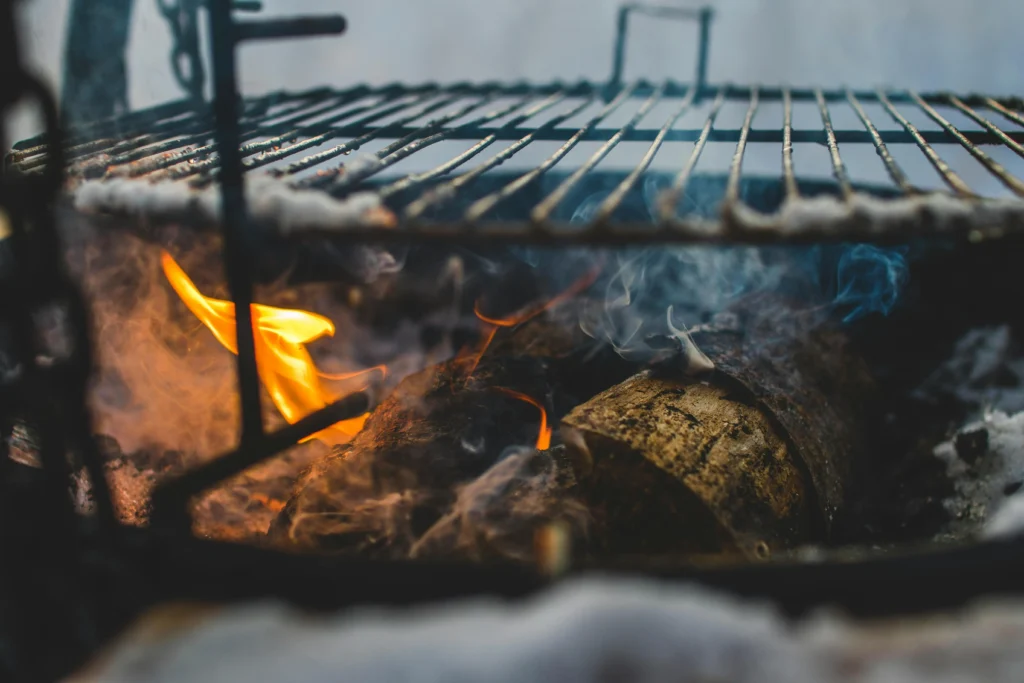
There’s a moment, usually about twenty minutes after you’ve lit a wood-fired BBQ, when the smoke shifts from harsh to sweet and the smell takes over the whole garden. That’s the thing gas grills can’t replicate, and it’s what most people are really chasing when they ask us about wood-fired cooking. So let’s talk about what a wood-fired BBQ actually is, what it isn’t, and whether it’s the right pick for you.
So, What Counts as a Wood-Fired BBQ?
The term gets used loosely. In the broadest sense, a wood-fired BBQ is any outdoor cooker that uses wood as its primary or significant heat source, whether that’s whole logs, lump charcoal, briquettes, or compressed wood pellets. The flavour and aromatics come from the wood burning down to embers, with the food cooking in the heat and gentle smoke that follows.
In practice, you’re usually looking at one of four setups:
- Pure wood-burners, like asado-style cookers and traditional log-fed pits, where you build a fire from kindling and feed it with hardwood logs throughout the cook
- Charcoal BBQs, including kettles, drum smokers, and offset smokers, which run on lumpwood or briquettes and often get a flavour boost from added smoking wood chunks
- Ceramic kamados, like the Kamado Joe range, which burn lump charcoal in a sealed clay-lined chamber and excel at temperature control
- Wood pellet grills, which feed compressed hardwood pellets through an electric auger, automate most of the fire management for you
The pellet end of that spectrum is technically wood-fired but operates so differently that we’ve covered it separately. If that’s the direction you’re leaning, head over to our guide to wood pellet grills for the full picture. The rest of this post focuses on the more traditional, hands-on end of the spectrum.
Why People Switch to Wood-Fired Cooking
Three reasons, really, and we hear them in roughly this order from customers in the showroom.
First, flavour. Wood smoke adds layers that gas physically cannot match. The compounds released when seasoned hardwood burns at the right temperature are part of what gives a wood-fired steak its proper savoury edge. They’re also why brisket cooked over oak coals tastes nothing like the same cut roasted in a domestic oven.
Second, versatility. A wood-fired BBQ with a lid can sear at high heat, roast at medium, and smoke at low. The same cooker handles a quick weekday dinner of chops and a fourteen-hour brisket on a Saturday. You’re not buying a single-use machine.
Third, the experience itself. Lighting a fire, watching it settle, smelling the wood, and cooking slowly is a different kind of weekend than pressing an ignition button. Some people find that a chore. Others find it the entire point. There’s no wrong answer, but it’s worth knowing which camp you’re in before you spend the money.
Choosing Your Fuel: The Honest Comparison
The fuel you pick shapes the cooker you should buy, and vice versa. Here’s how the main options stack up for a typical garden cook.
| Fuel type | Best for | Effort level | Flavour | Cost per cook |
| Hardwood logs | Long, low-and-slow cooks, asado-style grilling | High, needs constant tending | Strongest, most authentic | Low if you stockpile seasoned wood |
| Lumpwood charcoal | High-heat searing, quick cooks, kamados | Medium, lights and burns fast | Clean, hot, subtly smoky | Moderate |
| Briquettes | Long even cooks, smokers and kettles | Low, very predictable | Mild, less smoky than lump | Lower than lumpwood |
| Lumpwood plus smoking chunks | Brisket, ribs, pulled pork | Medium, set-up takes practice | Customisable by wood type | Moderate to high |
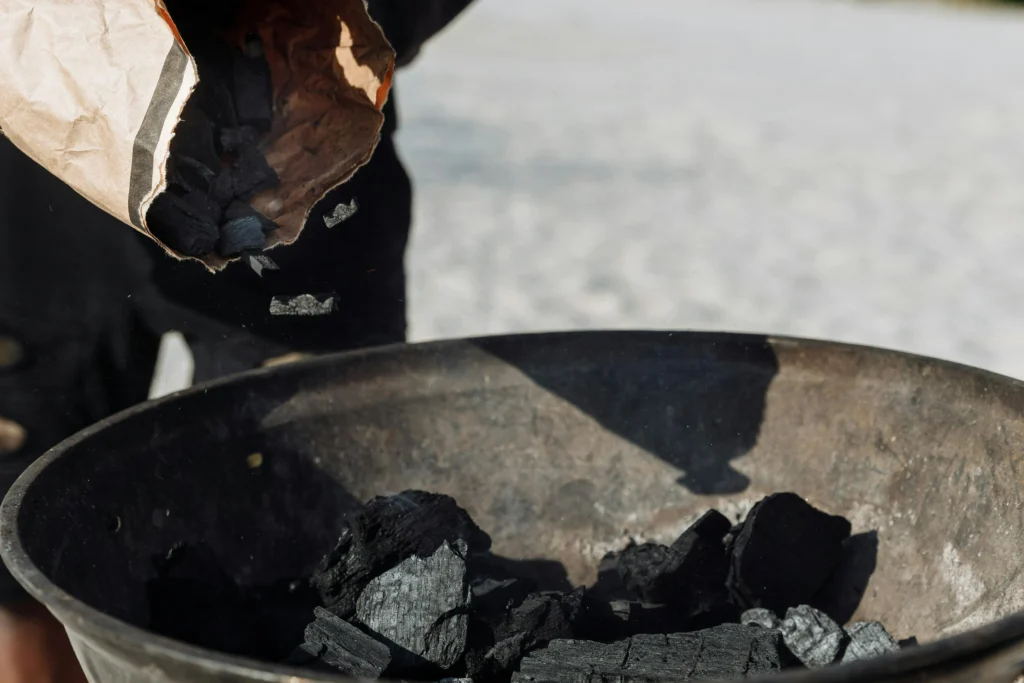
If you’re new to the difference between the two charcoal types, our breakdown of lumpwood charcoal vs briquettes goes deeper into when to use which, and why most serious cooks end up keeping both in the shed.
A quick word on wood selection, too. Different hardwoods produce different smoke profiles: oak is the steady all-rounder, hickory hits hard and pairs with red meat, fruit woods like apple and cherry are sweeter and lighter and suit pork and poultry. Avoid anything resinous or softwood-based, which produces unpleasant smoke and can leave a bitter coating on food.
The Fuel We Reach for Most: Smokey Olive Wood Smoking Chunks
If we had to pick one upgrade that gets new wood-fired cooks the biggest jump in flavour for the least effort, it’s swapping plain charcoal for charcoal-plus-smoking-wood. The Smokey Olive Wood range we stock covers olive, holm oak, almond, and orange wood chunks, all sustainably sourced and dense enough to give a long, clean smoulder rather than a fast burn-out.
Olive and holm oak are our go-tos for beef and lamb. Almond is a quieter, sweeter smoke that’s brilliant with pork shoulder and ribs. Orange wood is the one to try with chicken, salmon, and anything you’d usually finish with a citrus glaze. A handful of chunks added to a bed of lit lumpwood is all it takes to turn a good cook into a memorable one.
Want to give it a try? Click the link above to browse the Smokey Olive Wood range, pick a flavour to suit your next cook, and you’ll have it in your shed in time for the weekend.
A Word on UK Rules and Wood Quality
If you’re cooking in a town or city, it’s worth knowing where your garden sits in relation to a Smoke Control Area. Outdoor BBQs themselves aren’t restricted by SCA rules in the same way that domestic chimneys are, but persistent smoke nuisance can still fall foul of separate environmental legislation, so being a considerate neighbour matters.
Whatever you burn, make sure it’s properly dry. The UK Ready to Burn certification scheme marks firewood that’s been independently tested to a moisture content of 20% or less, which is the threshold below which wood burns cleanly and gives proper heat. Anything wetter produces acrid smoke, ruins flavour, and frankly wastes your money. If you’re seasoning your own logs, a cheap moisture meter is a sound investment.
Is a Wood-Fired BBQ Worth It for You?
Rather than the standard pros-and-cons list, here’s a more useful way to think about it: which of these descriptions sounds most like you?
You’re a weekend cook who wants better flavour and doesn’t mind the extra time. A charcoal kettle or a ceramic kamado will transform what you can do outside. The learning curve is real but short, and the upgrade in food quality is immediate. This is where most people land, and it’s the most defensible buy.
You’re already deep into BBQ and want to push further into low-and-slow. A bullet smoker or offset smoker, fed with lumpwood and smoking chunks, opens up brisket, ribs, pulled pork, and overnight cooks. Pair it with the techniques in our hot smoking guide, and you’ve got a proper backyard barbecue setup.
You want set-it-and-forget-it convenience with the wood-fired flavour. A pellet grill is genuinely the right answer here, and we’d point you back to the pellet guide we linked earlier rather than nudging you toward something that’ll frustrate you on a wet Tuesday evening.
You only fire the BBQ up four or five times a year. Honestly? A gas BBQ might serve you better. Wood-fired cooking rewards repetition, and a cooker that mostly lives under a cover will give you patchy results when it does come out. Our take on gas BBQ vs charcoal BBQ covers the trade-offs in detail.
Five Things We’d Tell a First-Time Wood-Fired Cook
These come up so often in the showroom that we figured they were worth pulling together.
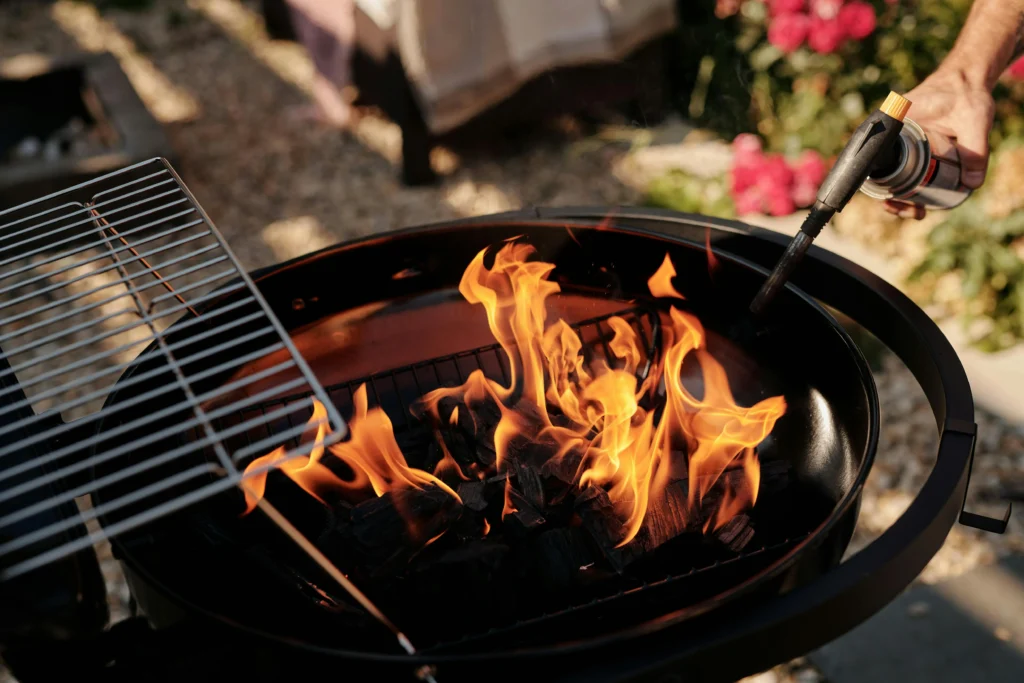
One. Buy a chimney starter on day one. Lighting charcoal with firelighters in a chimney takes about fifteen minutes and avoids the chemical taste you get from squirting lighter fluid all over the coals. It’s the single best £20 you’ll spend on the whole setup.
Two. Get a proper meat thermometer. Wood-fired cooking has too many variables to time things by the clock. A wireless probe pulls all the guesswork out of “is the chicken done” and “did I overshoot the brisket”.
Three. Don’t open the lid every five minutes. Every time you lift it, the heat drops and the cook slows. Trust the cooker, set a timer, and only peek when you need to. The phrase “if you’re lookin’, you ain’t cookin’” is a cliché for a reason.
Four. Manage your fire from the bottom up. Air controls heat. Open the bottom vent more for higher temperatures, throttle it down for low-and-slow. The top vent is for fine-tuning, not the main lever.
Five. Use seasoned wood, not freshly cut. Wood with too much moisture content burns dirty, produces acrid smoke, and turns food bitter. If you can hear it hissing, it’s not ready.
The Verdict
A wood-fired BBQ is a brilliant bit of kit for the right person. If you cook outdoors regularly, enjoy the process as much as the food, and want flavour you cannot get any other way, it’s a buy that’ll keep paying back for years. The kit lasts, the technique stacks up, and the food gets better the more you do it.
If your idea of a great Saturday is twenty minutes from cold to plate, a wood-fired BBQ probably isn’t the one. That’s not a knock on the cooker, it’s just being honest about how often you’ll actually use it.
For most people, somewhere in between, the sweet spot is a good charcoal kettle or a ceramic kamado, paired with quality lumpwood and a few bags of smoking chunks. Versatile, forgiving, and capable of being used by serious cooks once you’ve put the hours in. If you’d like a chat about which option fits your garden and your cooking style, drop us a line and we’ll talk it through.
Written by the Top BBQ team. Find out more about us and the brands we stock.