
What Is a BBQ Plancha and Is It Worth It for UK Gardens?
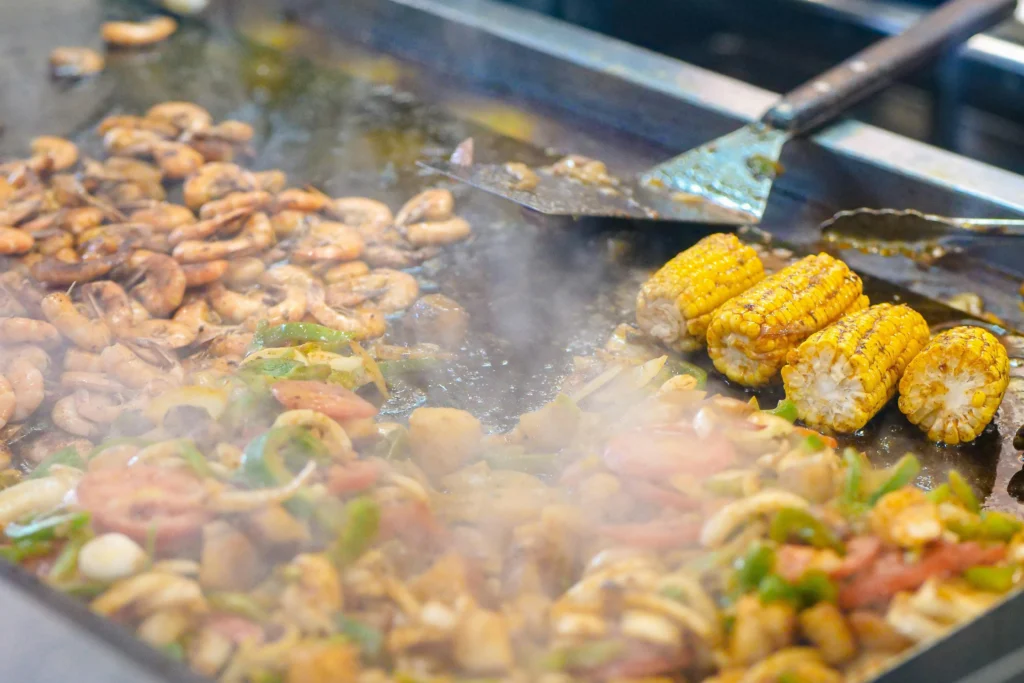
If you’ve spent any time browsing outdoor cooking gear lately, you’ve probably noticed the BBQ plancha popping up everywhere. It’s the flat-top, fire-fed cooker that’s been quietly winning over British back gardens, and it comes up on the phone often enough that we thought a proper write-up would save us repeating ourselves.
This guide answers the questions we hear most often: what it is, how it differs from a regular grill, and whether it is actually worth the space in your garden.
What Exactly Is a BBQ Plancha?
A BBQ plancha is a flat-top griddle designed to cook food directly on a heated steel plate rather than over open flames. The word itself comes from Spanish, where “a la plancha” simply translates to “on the flat top”. As the Michelin Guide explains, the plancha has been a staple of Spanish tapas culture for generations, used for everything from gambas to chorizo, with the central heat zone hot enough to sear properly while gentler edges keep things warm.
The design is straightforward. A heavy plate of carbon or corten steel sits over a wood or gas fire. The plate heats up, you cook on it, and the fat and juices flow gently outward toward the edges. Most freestanding planchas double as a fire pit too, which means you get warmth, ambience, and a cooking surface in one piece of kit. It earns its space twice over, and it’s one of the reasons we often recommend a plancha-style setup like the OFYR range for gardens that need to do more than one job.
There are also smaller plancha plates that drop straight into your existing barbecue or smoker. Same principle, no extra furniture, and we’ll come back to a particular one we rate later in this post.
How a Plancha Differs From a Standard BBQ
The difference matters most when you start cooking smaller items. A traditional grill cooks with bars and live flame, which gives you those gorgeous char marks but also lets smaller or more delicate items fall through. A plancha keeps everything on the plate, and the heat behaves a little differently, too.
Here’s a quick side-by-side to make it clearer:
| Feature | Traditional Grill | BBQ Plancha |
| Cooking surface | Open bars or grates | Solid steel plate |
| Best for | Steaks, chops, sausages | Seafood, veg, eggs, smash burgers |
| Risk of food falling through | High for small items | None |
| Flare-ups | Common | Rare |
| Doubles as a fire pit | No | Often, yes |
| Cleanup | Brush the bars | Scrape and oil the plate |
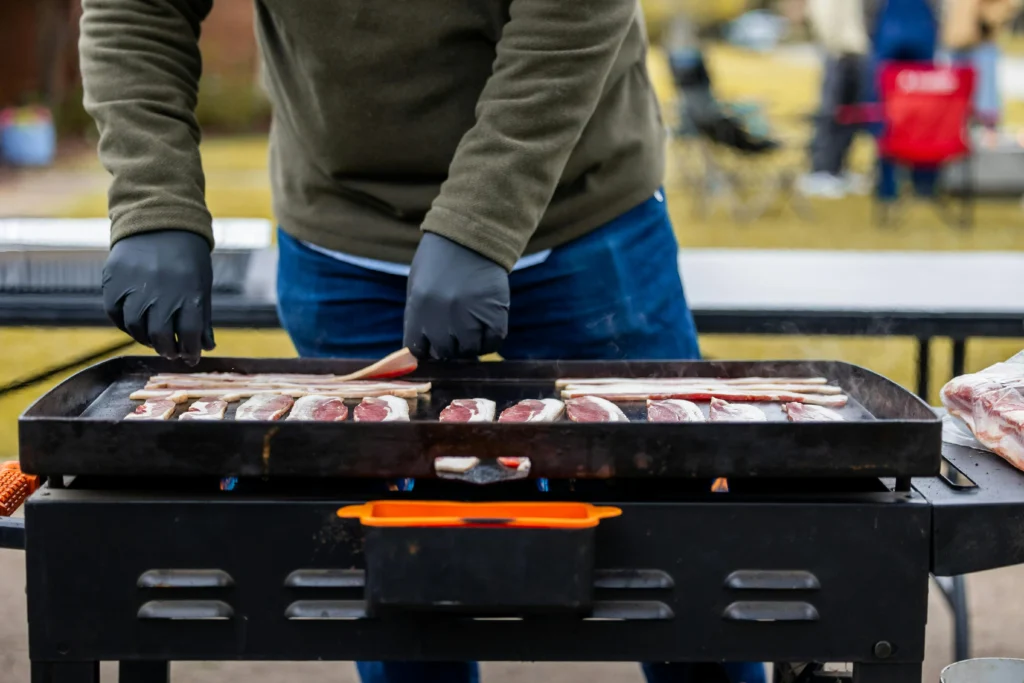
Neither one is “better”. They just shine in different situations. If you’re still weighing up your main barbecue setup, our take on gas BBQ vs charcoal BBQ is worth a read first. A plancha won’t replace your kettle or your kamado, but it will open up a whole new style of cooking that those grills simply can’t do well.
What Can You Actually Cook on One?
This is where the plancha earns its keep. It’s one of the most versatile cookers you can put in your garden, and the list of things it suits is longer than most people expect.
A few that suit it particularly well:
- Smash burgers with proper crust on every millimetre of the patty
- King prawns tossed in garlic butter, finished in under three minutes
- Scallops with a deep golden sear and no fiddly grill basket required
- Padron peppers blistered with olive oil and flaky sea salt
- Breakfast spreads with bacon, eggs, mushrooms and tomatoes all going at once
- Fajita-style steak and peppers, sliced thin and tossed straight off the plate
- Pancakes and crepes for the kids on a lazy Sunday morning
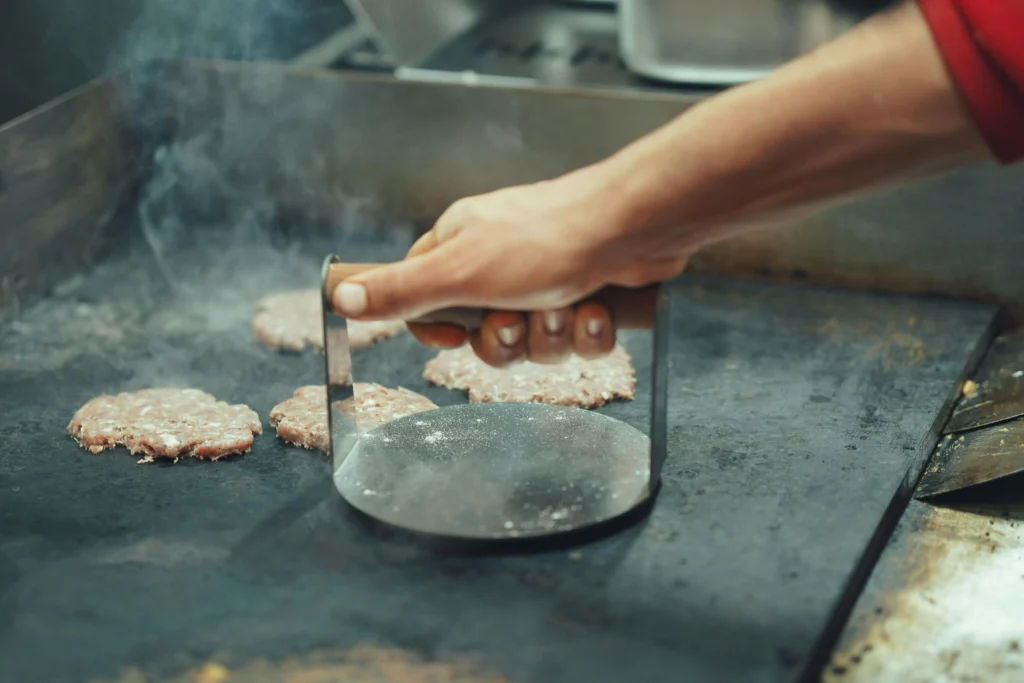
The reason all of this works so well comes down to the science of searing. That deep, savoury crust you get on a plancha is the Maillard reaction at full tilt, the chemistry between amino acids and reducing sugars that gives browned food the flavour you can’t quite get from open grilling. A heavy steel plate holds heat far better than open grill bars, which means food stays in proper contact with a hot surface and develops that crust quickly without stewing in its own moisture.
You can also use the plate as a heat baffle inside a smoker, which is a neat trick that turns one accessory into two tools. If you’re already deep into low-and-slow cooking, our guide to hot smoking pairs nicely with plancha-style finishing for things like brisket burnt ends and pork belly bites. The point is, if you can cook it in a frying pan, you can cook it on a plancha, and probably better.
Is a BBQ Plancha Worth It for British Gardens?
The honest answer is: yes, for most people, but it depends on how you cook and how often you’re outside. Let’s walk through the things worth thinking about before you commit.
The case for buying one
British weather is unpredictable, and a plancha handles that better than you might assume. The solid plate means wind doesn’t ruin your heat the way it can on an open grill, and a freestanding model with a fire pit base gives you somewhere to gather even when nobody’s eating. The fact that it works as both a cooker and a focal point makes it a fair pick for smaller gardens, where a single piece of kit needs to do two jobs.
There’s also the social element. Cooking on a plancha is sociable by design because everyone can see what’s happening. You stand around it, chat, sip something cold, and food comes off the plate in waves rather than all at once. It’s a slower, more relaxed style of entertaining than the usual rush to get everything off the grill at the same time.
The case for thinking twice
A proper freestanding plancha isn’t a small purchase. Quality models start in the few hundreds and climb steeply from there once you get into corten steel and larger plate sizes. If you only fire the BBQ up a handful of times a year, that’s a lot of money sitting under a cover for ten months.
You also need somewhere to keep it. These are heavy, sturdy bits of kit, and while many come with wheels, you’ll want a hard surface and ideally a cover for the off-season.
A simpler middle ground
If you’re not ready to commit to a full plancha setup, a drop-in plancha plate is the smart move. Pop it onto your existing barbecue, season it once, and you’ve unlocked most of the same cooking style for a fraction of the outlay.
Our pick is from the ProQ plancha range stocked at Top BBQ. ProQ build their plancha plates with a handy hole for lifting them in and out of the smoker, they can be hung up for storage between cooks, and they can also act as a heat baffle when you want to switch the same kit over to low-and-slow smoking. They’re sized to fit a range of kettles, bullet smokers, and ceramic grills, so there’s an option to suit most setups. Cleaning is a heat-and-scrape job, finished with a wipe of oil. At their price point, they’re the lowest-risk way to find out whether plancha cooking is for you.
If you’re after the cheapest possible entry point, the 34cm Ranger plate is currently in our clearance section, and at clearance pricing, it’s worth a look while stocks last.
Looking After Your Plancha
The key takeaway here is that planchas are forgiving if you treat them right. Steel plates need a small amount of care to stay in good shape, and the routine is straightforward.
Step 1. After cooking, while the plate is still warm, scrape the surface clean with a steel spatula. The residue lifts off easily at the temperature.
Step 2. Once it’s cooled, wipe a thin layer of olive oil or vegetable oil across the plate. This stops moisture from sitting on the steel and keeps rust at bay.
Step 3. Cover it when not in use, especially through the wetter months. A fitted cover is a small investment that pays for itself many times over.
Step 4. If you do spot a patch of surface rust, don’t panic. Scrub it back with a wire brush, re-season with oil, heat it, and you’re back in business.
Where We Land On It
A BBQ plancha is one of those bits of kit that quietly changes how you cook outdoors. It’s not trying to replace your grill or your smoker, and it shouldn’t. What it does is open up everything those cookers struggle with: tiny shellfish, runny eggs, smash burgers with proper edges, and vegetables that crisp instead of falling through.
For a garden where space is often tight, and the weather rarely cooperates, a plancha pulls double duty as a cooker and a fire pit, which makes it easier to justify than another single-purpose machine. Whether you go for a full freestanding model or start with a drop-in plate for the BBQ you already own, it’s a worthwhile addition to your outdoor cooking lineup.
If you’re weighing one up and want a proper chat about which option suits your setup, get in touch with us and we’ll talk it through.